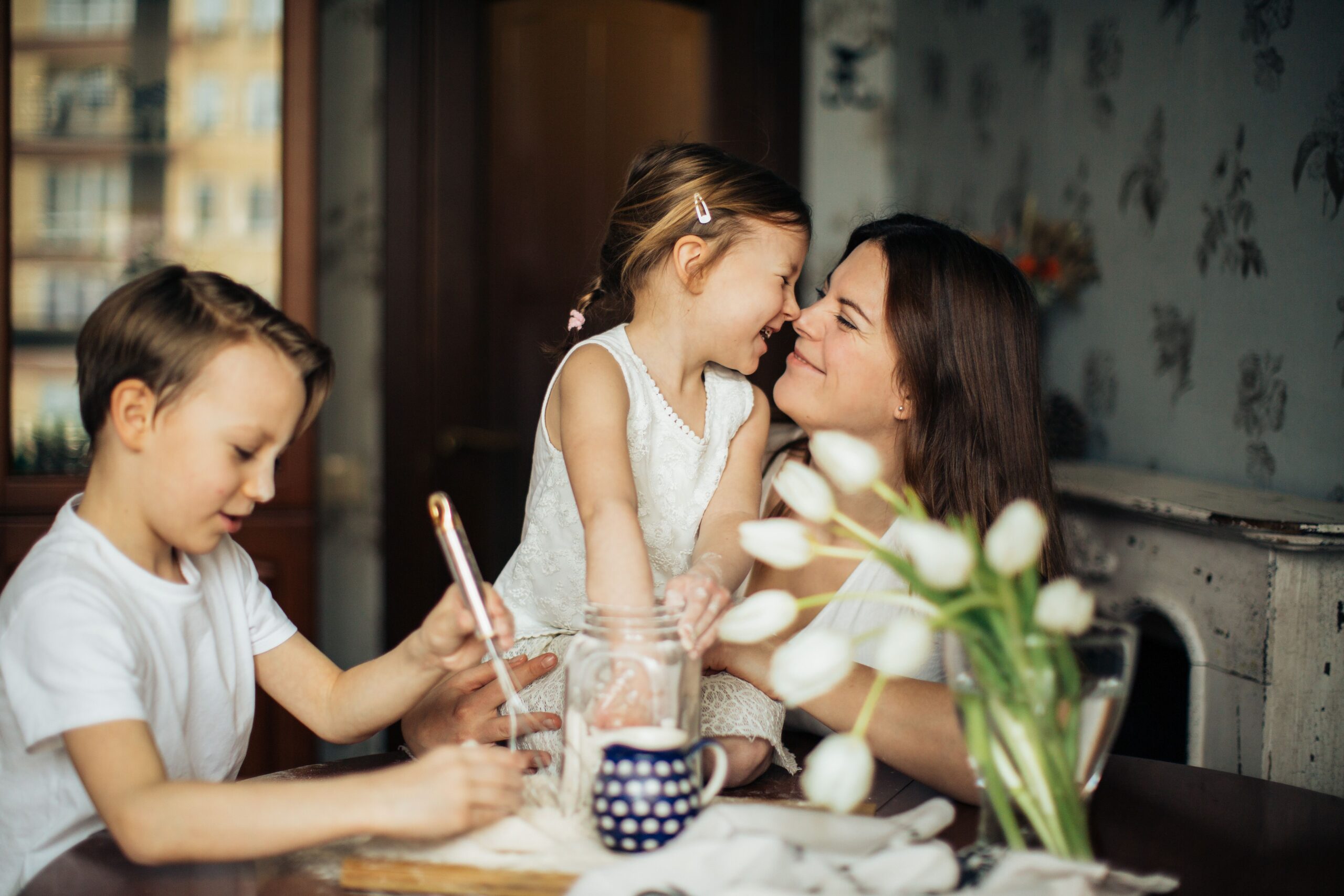
12 Things I Stopped Doing That Helped Me Enjoy Motherhood More
There was a season of motherhood where I was constantly looking for the next thing that would make me a happier mom.
A better routine. A cleaner house. More patience. Better time management.
I kept assuming the answer was adding something.
But somewhere along the way, I realized that many of the hardest parts of my day weren’t actually coming from motherhood itself. They were coming from the beliefs, expectations, and invisible rules I’d unknowingly brought into motherhood.
I believed good moms stayed caught up. I believed caring well meant doing more. I believed everything had to look a certain way.
Little by little, I started questioning those assumptions instead.
What followed weren’t dramatic life changes. They were small perspective shifts that quietly changed the way I experienced ordinary motherhood.
These are some of the things I stopped doing to be a happier mom, not because they were wrong, but because I stopped believing they were the only way to be a good mom.

The Beliefs That Were Making Motherhood Harder Than It Needed to Be
Looking back, I don’t think the laundry, the meal prep, the interruptions, or the toddler meltdowns were ever the real problem. Those things are simply part of life with little kids.
What made motherhood feel so heavy was the meaning I attached to those moments.
Every time I felt behind, there was usually a belief underneath it. A belief about what a good mom should do, what a well-run home should look like, or how I thought motherhood was supposed to feel.
I didn’t question those beliefs at first because I didn’t even realize I had them.
But once I started noticing them, the practical changes came surprisingly naturally. I wasn’t trying to become a different mom. I was simply learning to let go of expectations that were making motherhood harder than it needed to be. That’s really my secret for how to be a happier mom.
The things below might look like a list of habits, but they’re really a list of beliefs I slowly stopped carrying.
You may not relate to every example in this list, and that’s okay. But if reading this helps you notice even one belief that’s making motherhood harder than it needs to be, I have a feeling you’ll start experiencing your days differently too.
1. Treating Nap Like Second Shift
For a long time, I treated nap time like my daily chance to finally catch up.
The dishes. The laundry. The cleaning. The emails. Whatever had been waiting all morning.
Some of those things genuinely needed to get done, yes. But somewhere along the way, I started believing that if my kids were asleep, I should be accomplishing something too.
Eventually, I started asking myself a different question: “What actually needs to happen during this time?”
Sometimes the answer was folding laundry. Sometimes it was answering emails. But sometimes, the thing that needed my attention most was me.
I stopped saving all my chore for nap time and started doing more of life alongside my girls while they were awake. And that saved nap time for more rest time for me.
And something unexpected happened.
My girls didn’t see laundry or unloading the dishwasher as interruptions to childhood. They saw them as part of family life. They even saw them as fun activities to do.
My toddler proudly carries her laundry basket to the washing machine. My preschooler helps me unload the dishwasher (with assistance of course). It usually takes longer than doing it myself, but they’re learning that caring for a home isn’t just Mom’s and Dad’s jobs. It’s something we all do, together.
Ironically, by giving myself permission to do less during nap time, I ended up gaining something much more valuable than a clean kitchen: a little margin. And just that little shift has helped me be a happier mom.
2. Letting My Kids Be My Alarm Clock
Before anyone misunderstands this one: I am not talking about the newborn stage or those seasons where sleep is survival.
I started doing this when my youngest was around 10 months old and giving up a little sleep didn’t feel like it was going to kill me. If you’re still in that sleepless stage, skip this section. Do not put that pressure on yourself!
Anyways, I heard the phrase “wake up for your life instead of waking up to your life,” on The Faith-full Mama podcast and it really stuck with me.
I realized I was starting every day already reacting. A baby crying. A toddler calling my name. Someone needing something before my brain was even awake.
I’d assumed motherhood simply meant waking up already needed, but I started wondering if caring for everyone else might begin with giving myself a few quiet moments first.
So I started waking up just a little bit earlier. Sometimes it was only 15 minutes then worked my way up to an hour as more overnight rest came.
And there are days where it doesn’t go as planned and my kids wake up early, too. But over time we’ve created a rhythm where they know I will grab them cereal in a cup and they can play quietly or snuggle on the couch. Eventually they learned this is just Mama’s quiet time
Now those quiet moments help me start my day feeling like a person and fill my cup with what I need before jumping into being needed by everyone else. And I’m such a happier mom, wife, and just all around human for it.
3. Expecting My Days to Go Exactly According to Plan
This one has probably been the biggest mindset shift for me.
I used to have a picture in my head of how the day was supposed to go. Nap on a schedule. Errands at this time. Cleaning during this window. Productivity during breakfast.
I believed a good day was one where everything went according to plan, so every interruption to my imaginary schedule felt like failure instead of simply being part of life with little kids. I let it ruin my mood, which of course ruined the mood of everyone around me.
But my kids are not robots. They are little humans with needs, emotions, and unpredictable moments. And sometimes the day does just have unexpected things come up. That’s life, right?.
Now I focus less on “Did everything go according to plan?” and more on “Did we connect? Did we learn? Did we enjoy our day?”
Of course, some things still need to happen. Appointments matter. Responsibilities matter.
But I stopped treating every little schedule mishap like a catastrophe and started allowing myself to surrender a little more to what my kids and my family needed from me. A little more flexibility in what I thought the day needed to look like went a long way for my happiness, and theirs.
4. Believing I Needed a Specific Kind of “Me Time”
This took me a while to learn.
I used to think I needed a specific amount of uninterrupted time alone every day to feel like myself again.
But I realized I was creating extra frustration by believing that filling my cup had to look a certain way. I realized I’d been waiting for the perfect kind of break, and in the process, I was missing the little moments that could still help me breathe.
Because the reality is that sometimes I don’t get time to myself every day. On days where they didn’t nap well or needed to be rocked forever at bedtime, I was only making things worse for everyone by resenting it.
So I shifted my belief on what “me time” actually meant. I stopped thinking it needed to be some strict prescription and started letting it be an ebb and flow.
I started noticing that a cup of coffee on the porch watching birds with the girls, reading a few pages of a good book during nap time, or sitting outside while they played filled me up more than I expected. Sometimes “me time” was just appreciating a few peaceful minutes instead of feeling angry that I didn’t have an entire afternoon to myself.
The cool thing is, on the days where the stars aligned and I did get a chunk of time to myself, it felt a lot sweeter. I shifted to being grateful for the time instead of expecting or demanding it.
This season of hyper-need really isn’t forever. As a mom of two now, I can see that even more clearly. There really will be more flexibility someday. And I guarantee you I’m going to miss this phase when it ends.
But right now, my kids need me in a way they won’t always need me. Learning to embrace and appreciate that has brought me a lot more peace and be happier mom.
5. Making Every Meal Harder Than It Needed to Be
There was a season where I felt like I was running a restaurant out of my own kitchen.
During the day I was making one meal for my baby, another for my older daughter, something different for myself. Then we’d do early dinner for the kids and my husband and I would eat something entirely different after bedtime.
Somewhere along the way, I had quietly started believing that good moms cooked everything from scratch, met everyone’s preferences, and somehow enjoyed doing it all day long.
It wasn’t sustainable. And frankly, it was making me a little crazy.
Over time, I started questioning that assumption. What if feeding my family well didn’t have to mean cooking from scratch every few hours? What if caring for them well could also mean making life a little easier for myself?
We gradually shifted toward eating the same meals together. Quiches we could reheat throughout the week. Shredded chicken that could become salads, quesadillas, or rice bowls. Simple freezer meals for the days that didn’t go according to plan. And all sitting down for family dinner together.
It wasn’t about lowering my standards.
It was about redefining what caring for my family looked like.
I realized that a wholesome meal doesn’t become less nourishing because I planned ahead. And there are ways to cook good meals that meant everyone’s feeding stages.
Sometimes loving my family looks like cooking. Sometimes it looks like making tomorrow a little easier. Finding that balance is how to be a happier mom.
6. Tackling Laundry in Huge Batches
Laundry used to feel like something I had to conquer. I believed a good homemaker stayed “caught up.” And until every last sock was folded, I never really felt like I was.
I’d save it all for “laundry day,” spend hours washing, drying, folding, and then stare at towering piles waiting to be put away because I hated that part. It never really felt finished.
Eventually I realized I had been treating laundry like a project instead of a constant rhythm.
So I stopped trying to win against the laundry.
Instead, I started doing one load from start to finish each day. One load washed. One load dried. One load folded. One load put away.
The amount of laundry didn’t change. But the way I experience it did.
Instead of carrying around the mental weight of an endless mountain, it’s become a small part of the everyday rhythm of caring for our home. And that feels way more manageable for me. And less overwhelm has meant being a happier mom.
7. Making Simple Things Harder Than They Needed to Be
One day I found myself putting toddler snacks onto a plate like I always did. And I remember thinking… Why?
Not because plates are wrong.
But because somewhere along the way I’d picked up the idea that caring well for my children meant everything had to look a certain way. The sectioned plates. The perfectly presented snack. The picture of what a “good mom” does.
I’d started believing thoughtful motherhood always had to take more time and more effort. So instead, I gave myself permission to question it.
Now, unless something is especially messy, snacks go in a coffee filter. My girls still get nourishing food. I still care deeply about what they’re eating. I just stopped believing that thoughtful motherhood had to create extra work.
Sometimes simplifying doesn’t mean caring less. Sometimes it means removing little things that aren’t actually serving your family.
8. Believing Our Home Had to Feel Chaotic
For a long time, I assumed that a constantly messy house was just part of having young kids.
We had toys everywhere, laundry piling up, dishes that seemed to multiply overnight, and I told myself this was simply what early motherhood looked like. I assumed a peaceful home and a house with little kids couldn’t exist at the same time.
But the more I paid attention, the more I realized the mess wasn’t just affecting my house. It was affecting my family and me.
Walking into a cluttered room made me feel behind before I’d even started the day. My girls bounced from toy to toy. I felt like I was constantly reacting instead of caring for our home with any real intention.
The shift came when I stopped asking, “How do I keep this house perfectly clean?” and started asking, “What would help our home feel more functional and cozy?”
We began rotating toys instead of keeping everything out. I became more intentional about what we kept instead of holding onto everything “just in case.” I stopped waiting until I was completely overwhelmed to clean and started taking care of little things as I noticed them. Shoes back in the basket. A quick counter wipe. Resetting the kitchen before bed.
My new rule became: if it takes less than 90 seconds, do it now.
None of those habits were dramatic. But together they changed the feel of our home. More importantly, they changed the way I saw myself.
I stopped believing I was simply surviving the chaos of motherhood and started believing I could create a home that felt peaceful, even in a season with little children.
Not because it was spotless. Because it was truly cared for.
9. Trying to Do Everything at Once
I really thought multitasking was simply part of surviving motherhood.
If I wasn’t answering a text while making lunch and reminding someone to use the potty while mentally planning dinner, I felt like I wasn’t keeping up.
I believed being a capable mom meant doing five things at once, even though it usually meant I wasn’t fully present for any of them.
But I slowly realized multitasking wasn’t helping me feel productive. It was making me feel divided. And it definitely was not helping me be a happier mom.
I heard the phrase, “Surrender to the interruptions,” and it completely changed the way I saw my days.
Because so often, the interruptions are the work. The 17th snack request. The endless questions about the way things work. The little hands reaching for me in a bid for connection.
Usually the thing I was trying to finish could wait. And when my girls learned they didn’t have to compete with everything else for my attention, something interesting happened.
They interrupted less.
Not because they suddenly became more patient, but because they trusted I would come back to them.
I found being a little more responsive to their requests and being a little more willing to stop and restart my tasks made our days made our days smoother and a whole lot more enjoyable. And even better, it made our bond stronger, too.
10. Being on My Phone All the Time
This is still one I’m growing in.
My phone is so easy to reach for, especially on the repetitive or exhausting days of motherhood when I just want a little distraction or a little adult interaction.
But I started noticing something. When I was physically with my girls but mentally somewhere else, I wasn’t just missing moments.
I was becoming more impatient with the very people I wanted to enjoy.
I never would have said my phone mattered more than my kids, but my habits were quietly teaching me (and them) that every little pause needed to be filled instead of simply lived.
And I realized my phone wasn’t always stealing huge chunks of time. But it was stealing my attention in hundreds of tiny moments throughout the day.
So now I try to intentionally put it away during parts of our day. Not perfectly. Just more often than I used to. I’ve found having set “no phone” times for myself, like the hour after naptime, helps me.
Because I want my girls to grow up remembering a mom who looked into their eyes more often than she looked at her screen. And I want to remember more of all the little moments, too.
11. Taking My Kids’ Behavior Personally
This is still something I work on. But it really has changed the way I parent.
I’ve preached for years that kids communicate more through behavior than words. It was a big part of my job as a social worker. I know kids aren’t usually trying to give us a hard time. They’re just having a hard time.
But remembering that when I’m in the middle of managing a tantrum is a lot harder.
Without realizing it, I was still acting as though good behavior meant I was succeeding as a mom, and hard behavior meant I was failing.
My kids aren’t ever trying to ruin my day. They aren’t trying to intentionally make things difficult for me (usually). They’re just learning. They’re communicating with the tools they have.
When my oldest fought naps, I used to take it as a personal offense and would let it ruin my entire afternoon. So instead, I worked on changing how I thought about naptime. I stopped making it about how she was “fighting” me and more about how I could understand what she needed. We also worked on giving her words for what she was feeling. Instead of impersonating a tasmanian devil, she learned to (mostly) calmly say things like “I’m mad” or “I don’t want to nap.”
It took time. And a lot of patience and deep breathing on both sides. But changing my attitude changed both of our energy toward something calmer. And teaching her how to communicate works so much better than just making assumptions about her behavior and motives.
My job isn’t to control every behavior. It’s to teach my girls how to handle the big feelings behind those behaviors. And to teach myself to take things less personally.
12. Seeing Myself as a Victim of Motherhood
This was the biggest kick in the pants mindset reset I’ve ever experienced.
Motherhood is hard. No one’s debating that.
There are long and full and exhausting days. There are tantrums and calamities and a million urgent things to attend to. There are times when I feel so touched out, overwhelmed, and tired that I could lay down right on the floor and take a nap, no pillow needed.
But I was living in the mindset of “this is just so hard” and I was l letting it steal all the joy.
Somewhere along the way, I’d started believing motherhood was happening to me instead of shaping me.
One day when I was complaining and crying to my mom, she put one hand on my shoulder and pointed to a sign on her table with the other. It said “embrace the holy mess that is your life.” She said it was time to stop wishing away my motherhood and start embracing it as it was.
That one little phrase absolutely kicked me in the pants. And it’s stayed with me through some of the hardest seasons.
Because yes, my life is messy. But it is also incredibly beautiful.
I get to raise my daughters. I get to be the person they run to when they need comfort. I get to make meals for them, teach them, love them, and walk alongside them as they grow.
It’s exactly the life I dreamed of and prayed for even though it is way harder in reality. And I had to stop expecting my husband or my mom or an act of God to save me or make it easier.
When I stopped fighting the reality of motherhood and started embracing the privilege of it, something shifted.
It doesn’t magically make every day easier, but it does help me find more meaning and joy in them. Now when motherhood feels especially hard, I come back to that phrase and it’s made those moments easier to carry. And that weight being lighted even just a little bit can be a huge step for how to be a happier mom.
Finding More Joy in the Everyday of Motherhood
The biggest lesson I’ve learned is that becoming a happier mom isn’t about adding more.
It’s about questioning the beliefs that are quietly making motherhood heavier than it needs to be.
Every practical change I made started with a different way of thinking.
I questioned what made a good mom. I questioned what caring well really looked like. I questioned the invisible rules I’d picked up somewhere along the way. I questioned what was truly the way to be a happier mom.
And little by little, motherhood began to feel lighter, not because my days changed, but because the way I carried them did.
Motherhood will always have hard moments. There will always be messes, interruptions, and days where it feels like you’re on an insane roller coaster just trying to hold on for dear life.
But when I stopped fighting every inconvenient part of this season and started creating rhythms that supported our actual life, I found so much more peace.
Not because motherhood became perfect. But because I finally learned how to live inside the beautiful, messy, meaningful reality of it. Because I finally learned a few perspective shifts and rhythms for how to be a happier mom.
If This Conversation Resonated…
If reading this helped you notice some of the invisible assumptions you’ve been carrying, I’d love to keep exploring these conversations with you. Here are a few places to continue, wherever feels like the right next step.
→ Looking for a simple place to start?
Download my free Mama Mindsets for Hard Days card deck. It’s a collection simple reminders designed to be printed or set as phone wallpapers to help you come back to these perspective shifts on the ordinary, messy days when they’re hardest to remember.
→ Ready to go a little deeper?
Grab my mini-guide From Chaos to Clarity: Simple Shifts for Clearer Thinking in Motherhood takes these ideas further by walking through three common mindset traps that quietly create unnecessary chaos in motherhood and the perspective shifts that can help you think more clearly when life feels overwhelming. And it’ll only cost you as much as a fancy latte or two.
→ Want to keep having conversations like this?
Join my weekly newsletter, where I share a thoughtful perspective shift and practical rhythm to help you experience motherhood more fully. It’s way less like another marketing email and way more like pulling up a chair for an honest conversation about the joys and challenges of raising little kids. And just once a week, I promise.
There’s always room at the table for you, mama.


